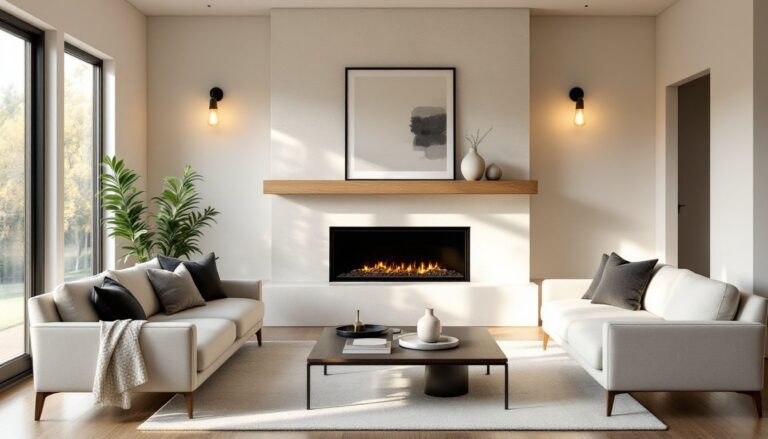
A non-working fireplace doesn’t have to sit as a dark void in an otherwise thoughtful room. Whether it’s been sealed off, converted to gas, or simply unused for years, that empty firebox and mantel combination offers prime real estate for visual interest. Treating it as dead space wastes a natural focal point that already has built-in architectural weight. Instead of ignoring it, homeowners can transform an empty hearth into seasonal displays, functional storage, or dramatic lighting features, all without a contractor or major renovation. This guide covers fifteen practical ideas organized by style, function, and budget to help anyone make the most of an unused fireplace.
Table of Contents
ToggleKey Takeaways
- Empty fireplace ideas transform a dark, unused focal point into a functional design feature that restores balance and visual interest to any room.
- Seasonal displays using natural materials like firewood, pinecones, potted plants, and dried florals keep empty fireplace styling fresh without requiring permanent changes.
- Functional storage solutions—including book displays, baskets, and media organization—maximize the 3 to 6 cubic feet of space an empty firebox provides in storage-limited homes.
- Candles, lanterns, and LED string lights are the most versatile and budget-friendly ways to add ambiance to an empty fireplace, working with any decor style.
- DIY projects like painting the firebox, building faux log arrangements, or installing chalkboard inserts cost under $50 and require no contractor involvement.
Why Decorate an Empty Fireplace?
An unused fireplace still commands attention. It typically sits at eye level in a central wall, framed by a mantel and surround that were designed to be noticed. Leaving it empty creates a visual gap, a dark rectangle that draws the eye for the wrong reasons.
Decorating the firebox and mantel serves three purposes. First, it restores balance to the room by filling negative space with intentional design. Second, it allows seasonal flexibility without permanent commitment: swapping out a candle arrangement for a stack of firewood takes minutes. Third, it can add function. A hearth can become a book nook, display shelf, or even a charging station if an outlet is accessible inside the firebox.
Before decorating, ensure the chimney is sealed or capped to prevent drafts, moisture, and animal entry. If the damper still opens, close it and consider a chimney balloon or top-mounted cap. Clean out any soot, ash, or debris with a shop vacuum and wipe down surfaces with a degreaser if residue remains. For painted brick or tile surrounds, a fresh coat of heat-resistant paint can modernize the frame without altering structure.
Seasonal and Natural Displays
Natural materials suit fireplaces because they echo the hearth’s original purpose, bringing the outdoors in. Seasonal swaps keep the look current without requiring new purchases every year.
Fall and Winter: Stack split firewood in a neat grid inside the firebox, mixing in pinecones, birch logs, or dried wheat bundles. Birch’s white bark contrasts with darker brick and adds texture. On the mantel, arrange small pumpkins, gourds, or autumn garlands made from preserved leaves for a low-maintenance seasonal look. For winter, swap in evergreen branches, white-painted pinecones, or a small potted conifer in a galvanized bucket.
Spring and Summer: Use the firebox as a planter. Line the base with a waterproof tray (a boot tray or shallow plastic bin works) and arrange potted ferns, succulents, or trailing ivy. Group pots of varying heights for depth, terra cotta or ceramic pots in neutral tones blend with most surrounds. If the firebox gets indirect light, opt for low-light plants like pothos or snake plants. For summer, fill the space with a single oversized monstera or fiddle-leaf fig in a woven basket.
Dried Florals: Pampas grass, eucalyptus, and wheat stalks hold up year-round. Arrange them in a large vase or pitcher placed off-center in the firebox. Pair with a few pillar candles on the hearth for dimension.
Artistic and Decorative Focal Points
Turning the firebox into a gallery-style display works when the surround is simple enough not to compete. The recessed frame naturally highlights whatever sits inside.
Mirrors: Lean a large framed mirror against the back wall of the firebox. This reflects light and makes the room feel larger, especially effective in small living rooms or basements. Arched mirrors echo traditional fireplace shapes: rectangular ones suit modern surrounds. Secure the mirror with adhesive bumpers or small L-brackets if kids or pets are present.
Artwork and Photography: Prop a large canvas, framed print, or triptych inside the firebox. Abstract pieces or black-and-white photography work well because they don’t compete with the texture of brick or stone. For renters or commitment-phobes, this setup is easy to swap seasonally without damaging walls.
Sculptural Objects: Use the hearth as a pedestal for statement pieces, an oversized ceramic vase, a driftwood sculpture, or a vintage architectural salvage piece like a corbel or column segment. Avoid clutter: one or two bold objects read better than a collection of small items. For modern living spaces that emphasize clean lines, a single geometric planter or metallic sphere can anchor the space.
Tile or Wallpaper Inserts: For a semi-permanent upgrade, line the firebox back wall with peel-and-stick tile or removable wallpaper. Geometric patterns, faux marble, or bold colors transform the opening into a design feature. This works best when the firebox is shallow and won’t hide the new surface.
Functional Storage and Organization Solutions
A firebox offers 3 to 6 cubic feet of storage, depending on size. Using it for function makes sense in high-traffic rooms where closet space is tight.
Book Display: Stack books horizontally in the firebox, spine-out, in color-coordinated or size-graduated piles. Add a small reading lamp on the hearth and a couple of bookends to keep stacks stable. This works especially well in dens, home offices, or bedrooms where the fireplace isn’t the primary seating focus.
Baskets and Bins: Place two or three woven baskets inside the firebox to corral throws, magazines, kids’ toys, or pet supplies. Seagrass or rattan baskets blend with most decor styles. Label them with chalkboard tags if the contents change often. For a cleaner look, use matching fabric bins in neutral linen or canvas.
Media Storage: In living rooms with wall-mounted TVs above the mantel, use the firebox to store remotes, gaming controllers, or streaming devices. A shallow wooden crate or metal tray keeps items contained and accessible without visible cords (route cables through the damper opening if it’s accessible).
Wine or Barware Station: Install a small wine rack or use the firebox to display bottles and glassware. This is especially effective in dining rooms where the fireplace is visible but not central to the seating arrangement. Add a cutting board and cocktail tools on the hearth for a mini bar setup.
Lighting and Candle Arrangements
Candles mimic the flicker of a real fire without the heat, smoke, or code issues. They’re the most popular empty fireplace treatment for a reason, they work with any decor style and require no installation.
Pillar Candle Groupings: Arrange pillar candles of varying heights (6-inch, 10-inch, and 14-inch) on the hearth floor. Use unscented candles if the fireplace is in a bedroom or dining area where fragrance competes with food or sleep. Place them on a metal tray or directly on fireproof hearth tile. For safety, never leave candles burning unattended, and keep wicks trimmed to ¼ inch to prevent soot buildup.
Lanterns: Fill the firebox with a collection of metal or glass lanterns in graduated sizes. Battery-operated LED candles inside each lantern provide glow without open flame, safer for homes with kids, pets, or fabric furniture nearby. Lanterns also add height variation and can be moved to patios or porches seasonally.
String Lights: Coil warm white LED string lights inside the firebox for a soft ambient glow. Fairy lights (thin wire with small bulbs) work best because they’re flexible and low-profile. Drape them loosely rather than tacking them to the back wall: the random coil mimics embers. Plug into an outlet inside the firebox if available, or run the cord discreetly along the hearth edge.
Candelabras: A single tall candelabra centered in the firebox makes a dramatic statement. Wrought iron or brass styles suit traditional surrounds: matte black or brushed nickel fits modern spaces. Pair with taper candles in coordinating or contrasting colors.
Budget-Friendly DIY Empty Fireplace Projects
Most fireplace transformations don’t require specialized tools or skills. These projects cost under $50 in materials and take less than two hours.
Painted Firebox: If the interior brick or metal is stained or dated, paint it. Use high-heat paint (rated to at least 1200°F) even if the fireplace is non-functional, it’s formulated to bond with masonry and metal without peeling. Black creates depth: white brightens and modernizes. Clean the surface with TSP (trisodium phosphate) or a degreaser, let it dry fully, then apply two coats with a roller or brush. Wear a respirator and ventilate the room.
Faux Fire Logs: Cut a ¾-inch plywood base to fit the firebox floor. Arrange real or faux logs (birch, aspen, or split oak) on the base, securing them with wood glue or small finish nails. Nestle battery-operated tea lights or string lights between the logs for a no-maintenance “fire.” This setup is removable and can be stored seasonally.
Chalkboard Insert: Cut a piece of ¼-inch plywood or MDF to fit the firebox opening. Paint it with chalkboard paint (two coats, sanding lightly between). Lean or mount it inside the firebox and use it for seasonal messages, kids’ drawings, or menu boards in kitchens. Frame the board with trim for a finished look.
Fabric or Screen Insert: Stretch fabric over a wood frame built to fit the firebox opening. Use canvas, linen, or patterned upholstery fabric that complements the room’s palette. Staple the fabric to the back of the frame, then set the frame inside the firebox. This hides the dark void and adds color or texture. Alternatively, repurpose a decorative folding screen by removing one panel and fitting it into the opening.
Stacked Crate Shelving: Stack wooden crates (new or vintage) inside the firebox to create modular shelving. Secure them with wood screws or leave them freestanding if the fit is snug. Use the cubbies for books, plants, or decorative objects. Paint or stain the crates to match the surround, or leave them raw for a rustic look.
Conclusion
An empty fireplace is an opportunity, not a problem. Whether the goal is seasonal charm, functional storage, or a bold design statement, the hearth’s built-in prominence makes it easier to create impact without heavy lifting. Most of these ideas are reversible, renter-friendly, and adaptable to different budgets and skill levels. Start with one approach, swap it when the season or mood shifts, and treat the fireplace as flexible space rather than a fixed feature.