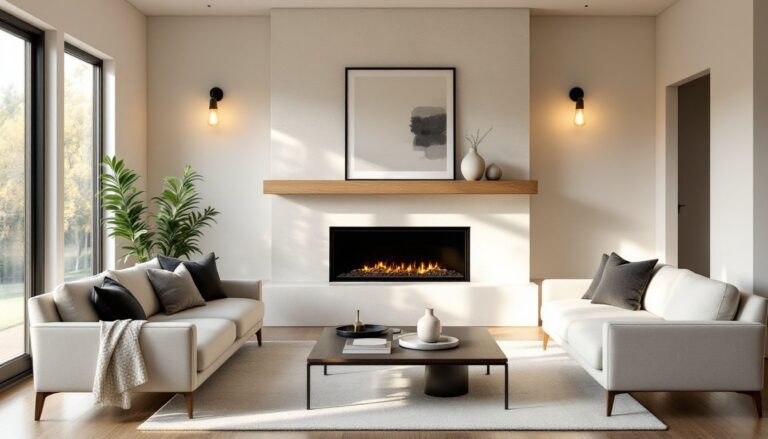
A fireplace TV stand brings warmth and function to a living room without the hassle of masonry or gas line installation. These furniture pieces merge media storage with the ambiance of flickering flames, making them a smart upgrade for renters and homeowners alike. Electric inserts tucked inside TV consoles offer zone heating that can actually lower utility bills while creating a focal point that draws the eye. Whether a space leans farmhouse cozy or urban minimalist, there’s a fireplace TV stand design that fits.
Table of Contents
ToggleKey Takeaways
- A fireplace TV stand combines media storage with ambiance by merging a TV console and electric fireplace insert, eliminating the need for masonry or gas lines while solving common furniture layout challenges.
- Electric fireplace inserts generate around 4,600 BTUs of supplemental heat without requiring venting, plugging into standard outlets and costing about as much to run as a space heater.
- Fireplace TV stand designs span multiple aesthetics—from modern farmhouse with shiplap and barn doors to sleek contemporary with mixed materials and floating frames—allowing homeowners to match their décor style.
- Corner fireplace TV stands maximize space in small apartments and condos, requiring careful measurement of the corner angles and at least 36 inches of walkway clearance for comfortable traffic flow.
- When choosing a fireplace TV stand, measure your TV size, verify the stand’s weight capacity, position the screen at eye level (typically 42 inches from the floor), and ensure the fireplace insert matches the stand’s cutout dimensions.
- Electric fireplace inserts stay cooler than traditional fireplaces with built-in safety features like automatic shutoff timers and overheat protection, making them safer around children and pets.
Why Combine a Fireplace with Your TV Stand?
Combining these two elements solves a layout puzzle many homeowners face: where to place the TV when the fireplace already commands the room. Mounting a screen above a mantel puts it too high for comfortable viewing, straining necks over time. A fireplace TV stand sidesteps that problem by housing both at proper eye level when seated.
Electric fireplace inserts generate supplemental heat, typically 4,600 BTUs, enough to warm 400 square feet, without requiring a chimney or venting. Most units plug into standard 120V outlets and draw about 1,500 watts on high heat, similar to a space heater. The flame effect runs independently of the heating element, so it works year-round for ambiance.
From a practical standpoint, these stands consolidate cable management and AV gear into one piece of furniture. Open shelving or closed cabinets hold gaming consoles, streaming devices, and remotes, while the fireplace insert tucks into a dedicated cubby. This keeps cords organized and surfaces clutter-free.
Safety-wise, electric inserts stay cooler to the touch than traditional fireplaces. Most models include automatic shutoff timers and overheat protection, making them safer around kids and pets. The glass front warms but doesn’t reach the temperatures of a wood-burning hearth.
Modern Farmhouse Fireplace TV Stand Designs
Modern farmhouse style pairs reclaimed wood textures with clean lines. Look for TV stands in weathered oak or distilled pine finishes that show natural grain and knots. Barn door hardware, metal tracks with rolling panel fronts, hides media components while adding a rustic accent.
Shiplap detailing on the face of the stand gives that signature farmhouse look. DIY builders can source tongue-and-groove boards from home centers and attach them to a plywood cabinet frame. Some free shiplap fireplace plans walk through cutting lists and assembly steps for custom builds.
X-frame side panels or crossed brackets on cabinet doors echo the aesthetic of sliding barn doors without the hardware cost. Pair these stands with wrought-iron or matte black fireplace inserts to contrast the warm wood tones.
For a cohesive room setup, match the stand’s finish to existing elements like ceiling beams or floating shelves. Gray-washed finishes work well in spaces with cooler color palettes, while honey-toned stains warm up rooms with white walls and neutral textiles.
Keep the top of the stand clear except for a few curated items, a small plant, a stack of vintage books, or a ceramic vase. Farmhouse style leans into simplicity, so avoid overcrowding the surface.
Sleek Contemporary Fireplace Media Consoles
Contemporary designs favor horizontal lines and mixed materials. High-gloss lacquer fronts in white, black, or charcoal pair with metal legs in brushed nickel or matte gold. Glass shelves and LED accent lighting add visual lightness, making the stand feel less bulky in smaller rooms.
Look for units with asymmetrical cabinet layouts, one side might have open shelving while the other features a push-to-open door. This breaks up the visual monotony of symmetrical designs and adds architectural interest.
Floating TV stands with wall-mounted frames create the illusion that the console hovers above the floor. The fireplace insert sits in a recessed cubby, and cable channels run through the backing plate into the wall. This style requires locating wall studs and securing the mount with lag bolts rated for the stand’s weight plus the TV.
Linear electric fireplaces suit contemporary spaces better than traditional log-style inserts. These units feature a bed of glass crystals or river rocks with LED flames that span the width of the stand. Some high-end models offer customizable flame colors, blue, orange, or multicolor, for a truly modern effect.
Pair a contemporary stand with a frameless TV mount to keep the tech minimal. Hide remotes and controllers in closed cabinets with soft-close hinges to maintain the clean aesthetic.
Corner Fireplace TV Stands for Small Spaces
Corner units maximize square footage in apartments, condos, or awkward room layouts. These stands fit into 90-degree angles, freeing up wall space for windows, doorways, or additional furniture.
Measure the corner carefully before buying. Most corner stands range from 48 to 60 inches wide along each wall. Check the diagonal depth to ensure the unit doesn’t jut too far into the room’s walkway. Leave at least 36 inches of clearance for comfortable traffic flow.
Angled front panels on corner stands allow better viewing angles from multiple seating positions. Look for models with swivel mounts or turntable tops that rotate the TV 30 to 45 degrees left or right.
Corner fireplaces often use smaller inserts, around 18 to 23 inches wide, due to space constraints. Verify that the BTU output still meets the heating needs for the room size. A 400-square-foot space needs roughly 4,000 to 5,000 BTUs for supplemental warmth.
For style, corner units in espresso or black finishes recede visually, making the room feel larger. Lighter finishes like whitewash or natural maple reflect light and open up tight spaces. Add a small area rug to define the seating zone without overwhelming the floor.
Rustic Wood Fireplace TV Stand Inspiration
Rustic designs lean into raw, unfinished aesthetics. Think solid pine or fir with visible saw marks, live edge tops, and hand-forged metal accents. These stands work well in cabins, mountain homes, or spaces with exposed beams and stone accents.
Hand-hewn timber posts as legs give the stand a reclaimed barn feel. Some manufacturers use salvaged wood from old barns or factories, complete with nail holes and weathering. If building from scratch, dimensional lumber from home centers works too, just distress it with chains, hammers, or wire brushes to add character.
Rope detailing around drawer pulls or cabinet doors adds a nautical-rustic twist. Alternatively, use wrought-iron strap hinges and clavos (decorative nail heads) for a Spanish or Southwestern vibe.
Pair rustic stands with traditional log-style fireplace inserts. The faux logs and ember bed mimic a wood-burning hearth more convincingly than linear models. Some inserts include crackling sound effects that sync with the flame animation.
When styling a rustic stand, lean into natural materials. Place a woven basket for remote storage, a chunk of petrified wood, or a vintage lantern on the surface. Avoid synthetic decor, stick with metal, wood, stone, or leather accents. Many woodworking project sites offer tutorials for custom rustic builds if off-the-shelf options don’t fit the vision.
How to Choose the Right Fireplace TV Stand for Your Home
Start by measuring the TV. Most stands list a maximum screen size, usually 55 to 75 inches, based on width and weight capacity. A 65-inch TV typically measures 57 inches wide, so the stand should be at least 60 inches wide to provide overhang on each side.
Check the stand’s weight capacity. A 65-inch LED TV weighs around 50 pounds, but older plasma screens can hit 80 pounds. Add the weight of soundbars, decor, or media gear to the total. Look for stands rated at least 50 pounds over your calculated load.
Measure the ceiling height and seating distance. The center of the TV screen should sit at eye level when seated, typically 42 inches from the floor. If the stand is too low, add a riser or wall-mount the screen. If it’s too high, consider a lower-profile model.
Fireplace insert dimensions matter. Standard inserts are 23 or 26 inches wide, but verify the cutout dimensions in the stand match the insert. Some units include the insert: others require separate purchase. Check wattage and BTU output to ensure adequate heating.
Inspect material quality. Solid wood or veneered engineered wood holds up better than particleboard, especially around the heat-generating fireplace. Look for dovetail drawer joints and metal glides rather than plastic tracks.
Consider cable management. Built-in grommet holes or back panel cutouts route HDMI, power, and Ethernet cables neatly. Some stands include surge-protected power strips mounted inside.
Finally, think about assembly. Most flat-pack furniture requires 1 to 2 hours and a second person for stability during construction. Check reviews on home design forums for real-world assembly feedback before buying. Read the instruction manual before starting, and lay out all hardware and panels.
Safety note: Keep flammable materials, curtains, papers, throw blankets, at least 3 feet from the fireplace insert. Use a surge protector rated for the combined wattage of the TV and fireplace. Never run extension cords under rugs or through walls.
Conclusion
A fireplace TV stand solves layout challenges while adding warmth and style to a living room. Whether building a custom shiplap unit or selecting a sleek contemporary console, the right design balances function with the room’s aesthetic. Measure carefully, verify electrical requirements, and choose materials that suit both the space and the household’s wear-and-tear realities.