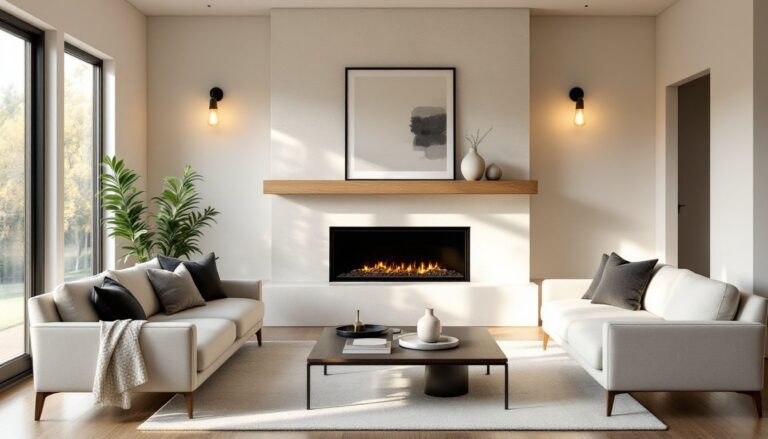
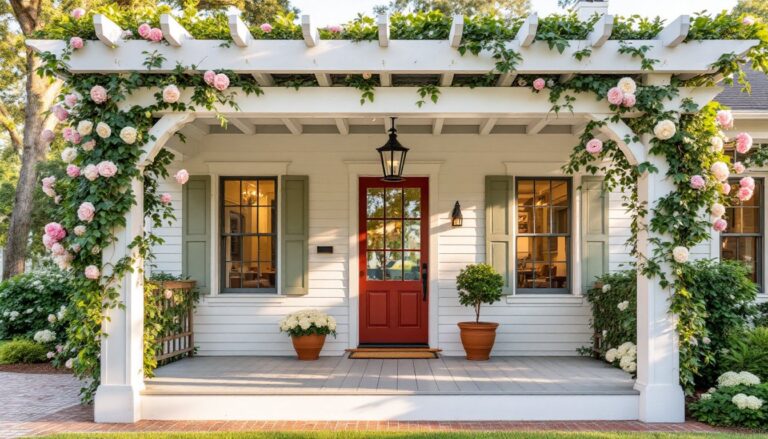
Replacing windows isn’t just about patching up drafts or cracked panes, it’s one of the most effective ways to boost energy efficiency, curb appeal, and home value all at once. Whether you’re dealing with foggy double-pane glass, rotting sills, or single-glazed relics from the ’70s, a strategic window upgrade can cut heating and cooling costs by 15–25% while modernizing your home’s look. The challenge is choosing the right style, frame material, and glazing package for your climate, architecture, and budget. This guide breaks down practical window replacement ideas that balance performance, aesthetics, and real-world installation considerations.
Table of Contents
ToggleKey Takeaways
- Window replacement ideas can cut heating and cooling costs by 15–25% while boosting curb appeal and home value, with homeowners typically recovering 70–80% of costs at resale.
- Modern Energy Star-certified windows with low-E coatings and argon or krypton gas fills reduce heat transfer by up to 50% compared to older units and address moisture, noise, and operational issues.
- Choose frame materials strategically: vinyl offers affordability and low maintenance, fiberglass provides strength and paintability, wood delivers aesthetics, and aluminum-clad wood balances performance with durability.
- Casement windows provide superior ventilation and air-tight seals, while double-hung windows suit traditional homes but require quality constant-force balance systems to avoid operational problems.
- Match glazing packages to your climate—dual-pane low-E with argon for most regions, triple-pane for cold zones (IECC 5–7), and low solar heat gain coefficient ratings for hot climates.
- Exterior trim, grid patterns (true divided lights), and consistent color finishes across all windows are essential to achieving a professional, cohesive appearance that complements your home’s architecture.
Why Window Replacement Is a High-Impact Home Upgrade
Old windows are silent budget killers. Single-pane glass and leaky seals let conditioned air escape year-round, forcing HVAC systems to work overtime. Modern Energy Star-certified windows with low-E coatings and argon or krypton gas fills can reduce heat transfer by up to 50% compared to older units.
Beyond energy savings, new windows address common structural and comfort issues. Rotted wood frames invite moisture damage and mold growth. Poor seals allow outside noise to bleed through, which is especially noticeable in urban or high-traffic areas. Replacing worn-out units also eliminates operational headaches, stuck sashes, broken balances, and condensation between panes all vanish with a full replacement.
From a resale perspective, window replacement consistently ranks among the top ROI home improvements. Buyers notice updated windows immediately, both from the curb and during walkthroughs. According to national averages, homeowners recoup 70–80% of window replacement costs at resale, though that figure varies by region and material choice. Cosmetic upgrades like fresh trim paint can’t mask the performance gap of 30-year-old glass.
Permit and structural considerations: Most window replacements fall under the “like-for-like” category and don’t require permits if you’re keeping the same rough opening size. But, enlarging openings, converting between types, or working on load-bearing walls typically requires permits and potentially engineered headers. Always check with your local building department before starting demo work.
Popular Window Styles for Modern Home Replacement Projects
Double-Hung and Casement Windows for Classic Appeal
Double-hung windows remain the go-to choice for traditional and colonial-style homes. Both sashes slide vertically, and most modern versions tilt inward for easy cleaning from inside. Look for units with constant-force balance systems rather than old-school cords and weights, they’re smoother, longer-lasting, and don’t require deep jambs.
One drawback: double-hung windows can’t match the ventilation or seal quality of casements. Since both sashes slide past each other, there’s always a center meeting rail that limits airflow. Air leakage at the sash lock is also more common with double-hungs, especially after a few seasons of settling.
Casement windows crank outward on side-mounted hinges, offering unobstructed glass area and superior ventilation, you can direct airflow by angling the sash. They compress against weatherstripping when closed, creating one of the tightest seals available. Casements suit contemporary, craftsman, and cottage designs particularly well.
Trade-offs include limited screen placement (screens sit inside, reducing the view) and the need for clearance outside, don’t install casements where they’ll block walkways or hit deck railings. Hardware quality matters here: cheap crank mechanisms bind and strip out within a few years. Expect to spend 10–20% more for casements compared to similar-sized double-hungs.
Picture and Bay Windows for Dramatic Visual Impact
Picture windows are fixed (non-operable) units designed to frame views and flood rooms with light. They’re often paired with flanking casements or double-hungs for ventilation. Since there’s no operating hardware, picture windows offer the best thermal performance and lowest air leakage rates, nothing beats a sealed fixed sash.
Sizing matters with picture windows. Units over 6 feet wide should use laminated or tempered glass for safety and to reduce deflection. Larger expanses also demand beefier frames: vinyl can sag under the weight of triple-pane glass in big picture windows, so aluminum-clad wood or fiberglass may be necessary.
Bay and bow windows project outward from the exterior wall, creating interior shelf space and expanding sightlines. A typical bay uses three windows at angles (often a center picture flanked by 30- or 45-degree casements). Bows use four or more windows in a gentle curve. Both styles require structural support, either cables anchored to the roof framing or a steel support bar underneath.
Installation complexity drives up costs significantly. Expect to pay $1,500–$3,500 per bay or bow window installed, compared to $400–$800 for standard double-hungs. You’ll also need to extend siding, roofing, and possibly insulation around the projection. This isn’t a DIY-friendly project unless you have framing and exterior finishing experience.
Energy-Efficient Window Materials and Frame Options
Frame material affects thermal performance, maintenance, and aesthetics more than most homeowners realize. Vinyl frames dominate the replacement market due to low cost and minimal upkeep, no painting or sealing required. Multi-chamber vinyl profiles with foam insulation offer decent thermal performance, but cheap single-chamber vinyl warps in extreme heat and can’t support large or heavy glazing units.
Vinyl’s main limitation is color. Factory finishes are baked in, so you’re stuck with white, beige, or occasionally tan. Painting vinyl rarely lasts more than a few years. For homes with bold or dark exterior palettes, vinyl often looks out of place.
Fiberglass frames are stronger, more dimensionally stable, and can be painted or stained. They expand and contract at nearly the same rate as glass, reducing seal stress and extending glazing life. Fiberglass handles extreme temperatures better than vinyl, making it a smart choice for harsh climates. The downside is cost, fiberglass runs 20–40% more than comparable vinyl windows.
Wood frames offer the best aesthetics and insulation value but require ongoing maintenance. Exterior surfaces need repainting or staining every 5–8 years to prevent rot. Aluminum-clad wood splits the difference: wood interiors for warmth and beauty, aluminum exteriors for weather resistance. It’s a popular choice for high-end replacements, especially in historically detailed homes, though expect to pay premium prices.
For window replacement projects in coastal or high-moisture climates, consider frames with built-in water management systems, sloped sills, weep holes, and capillary breaks that channel condensation outward rather than into the wall cavity.
Glazing packages matter as much as frames. Standard dual-pane low-E glass with argon fill is the baseline for energy efficiency in most climates. Cold-climate zones (IECC Climate Zones 5–7) benefit from triple-pane glass or low-E coatings on both surfaces. Hot climates should prioritize low solar heat gain coefficient (SHGC) ratings to block radiant heat. Check Energy Star’s climate zone recommendations before ordering, wrong glazing choices can actually increase energy costs.
Creative Design Ideas to Maximize Natural Light and Curb Appeal
Swapping like-for-like is safe, but rethinking window placement and style can transform how a room functions. Homeowners increasingly combine different window types on the same wall to balance light, ventilation, and views. For example, a large picture window centered over a sink with flanking casements at counter height provides maximum light while maintaining airflow and egress options.
Transoms and sidelights add architectural interest without sacrificing wall space for furniture. A fixed transom above a standard window increases ceiling-height light penetration, making small rooms feel larger. Sidelites flanking a picture window create a wall of glass effect on a budget, cheaper than a custom multi-unit assembly.
For privacy-sensitive areas like bathrooms, consider obscured or textured glass instead of relying solely on blinds. Rain glass, reeded glass, and frosted patterns let in plenty of light while blocking clear sightlines. Another option: install operable windows higher on the wall (above 5 feet). Awning windows mounted high provide ventilation even during rain and maintain privacy without treatments.
Grid patterns (also called muntins or grilles) drastically affect curb appeal. Traditional homes look best with true divided lights or at least simulated divided lights (SDL), where grids are applied to both interior and exterior glass surfaces with a spacer bar between panes. Flat grilles-between-glass (GBG) sit inside the air space and look cheaper, fine for ranch or contemporary styles, awkward on colonials.
Exterior trim and casing details matter as much as the window itself. Skimping on trim makes even premium windows look like afterthoughts. Budget for 1×4 or 1×6 trim boards with mitered corners and a matching sill. On brick or stucco exteriors, ensure the trim properly covers the gap between the window frame and rough opening, gaps let in water and pests. Many experienced home renovation guides emphasize that trim work separates professional-looking installations from obvious DIY jobs.
Color and finish consistency across all windows create a cohesive look. Mixing white vinyl on the front elevation with beige on the sides is a common mistake. If you’re replacing windows in phases, order extras from the same production run to avoid slight color shifts. For painted wood or aluminum-clad windows, use exterior-grade acrylic latex and prime all raw wood surfaces before installation.
Landscaping around new windows boosts curb appeal but requires planning. Avoid planting shrubs directly under casement or awning windows, they’ll block operation and trap moisture against the siding. Instead, keep plants at least 18 inches away and choose varieties that won’t exceed sill height at maturity. Window wells for basement windows should be lined with gravel and tied into perimeter drains to prevent flooding. Additional project planning tools and resources are available at ImproveNet to help coordinate window replacement with related exterior upgrades.
Conclusion
Window replacement delivers measurable returns in comfort, energy savings, and resale value, but only when the style, materials, and installation match the home’s needs. Prioritize energy-efficient glazing packages appropriate for your climate, choose frame materials that balance performance with maintenance realities, and don’t overlook trim and finishing details. Whether tackling a full-house replacement or updating a single problem room, smart window choices pay dividends for years.