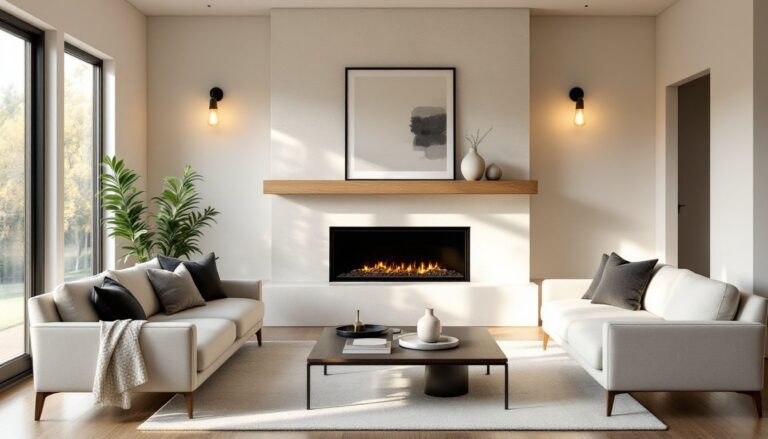
Choosing the right hearth tile isn’t just about aesthetics, it’s a safety-critical decision that affects how the fireplace performs, how easily it cleans, and whether it meets local building codes. The hearth protects combustible flooring from embers and radiant heat, so tile selection impacts both form and function. Whether renovating an existing fireplace or installing a new one, homeowners face a wide range of materials, patterns, and layouts. From heat-resistant porcelain to rustic slate, each option brings distinct durability, maintenance requirements, and visual impact. This guide breaks down fifteen design approaches across classic, natural, bold, and modern styles, plus practical advice on material selection for long-term performance.
Table of Contents
ToggleKey Takeaways
- Fireplace hearth tile choice is a safety-critical decision that must comply with building codes, with hearths requiring at least 16 inches of extension in front of the firebox and 8 inches to each side for smaller openings.
- Porcelain and high-fire ceramic tiles are the most heat-resistant options, withstanding temperatures up to 500°F without cracking, while materials like vinyl, laminate, and standard glass tile should be avoided.
- Natural stone tiles like slate and granite offer unique character and durability for wood-burning fireplaces, though marble and travertine are better suited to gas fireplaces due to their softer composition.
- Fireplace hearth tile patterns range from timeless subway and hexagonal designs to bold checkerboards, Moroccan zellige, and modern large-format slabs, allowing homeowners to match aesthetic preferences with safety requirements.
- Proper installation includes leaving a 1/8-inch expansion gap between hearth tile and flooring filled with heat-rated caulk, using epoxy or sealed grout to resist ash penetration, and selecting a wet saw to minimize silica dust exposure.
- Maintenance demands vary significantly by material—polished granite shows ash readily and requires frequent sweeping, while textured slate and matte finishes conceal soot effectively and reduce cleaning frequency.
Why Your Hearth Tile Choice Matters More Than You Think
The hearth serves as a non-combustible barrier between the firebox and surrounding floor. Most building codes, governed by the International Residential Code (IRC), require hearths to extend at least 16 inches in front of the firebox opening and 8 inches to each side for fireplace openings under six square feet. Larger openings demand a 20-inch front extension.
Tile must withstand sustained heat without cracking, discoloring, or releasing harmful fumes. Not all tile materials meet these requirements. Standard vinyl, laminate, and certain natural stones can crack or spall under thermal stress. Porcelain, ceramic, and most natural stone tiles rated for fireplace use typically handle temperatures up to 500°F without issue.
Beyond code compliance, hearth tile anchors the room’s visual hierarchy. A poorly chosen pattern or color can make a fireplace feel disconnected from surrounding finishes. Conversely, thoughtful tile selection ties together flooring, trim, and mantel materials. Maintenance also varies, polished marble shows soot and ash more readily than textured slate, while grout color affects how often cleaning is needed.
Classic Ceramic and Porcelain Tile Designs
Ceramic and porcelain tiles remain the most popular hearth materials due to affordability, heat resistance, and design versatility. Porcelain, fired at higher temperatures than ceramic, offers superior density and lower water absorption, critical for hearths exposed to temperature swings.
Subway tile layouts deliver timeless appeal. Running a 3×6-inch white subway tile in a brick pattern creates clean lines that complement both traditional and modern mantels. For added depth, pair white tile with dark gray grout, it hides soot stains and defines each tile’s edge.
Hexagonal ceramic mosaics introduce subtle pattern without overwhelming the space. One-inch hex tiles in matte black or charcoal gray provide grip underfoot and conceal ash between cleanings. These work especially well in smaller hearths where large-format tiles feel disproportionate.
Encaustic-look porcelain tiles mimic the hand-painted cement tiles popular in Mediterranean and Spanish Revival homes. Patterned 8×8-inch tiles in navy, terracotta, and cream add Old World charm. Because they’re porcelain rather than true cement, they handle heat and moisture better than traditional encaustic options.
For a cottage or farmhouse aesthetic, consider tumbled travertine-look porcelain. These tiles replicate natural stone’s texture at a fraction of the cost and with better thermal performance. Pair with a natural-edge wood mantel and whitewashed brick surround for a cohesive look.
Natural Stone Tile Options for Timeless Elegance
Natural stone brings inherent variation that manufactured tile can’t fully replicate. Each slab differs in veining, color depth, and texture, ensuring a one-of-a-kind hearth.
Slate tiles are a top choice for wood-burning fireplaces. Slate’s layered structure and high silica content provide excellent heat resistance. Available in charcoal, gray-green, and rust tones, slate pairs well with craftsman and mountain-style interiors. Its natural cleft surface offers slip resistance and hides soot effectively. Install slate in a random ashlar pattern, mixing 12×12-inch, 12×24-inch, and 6×24-inch tiles, for a dynamic, organic layout.
Granite tiles deliver durability and a polished, formal appearance. Black absolute granite creates dramatic contrast against white trim or light-colored walls. Granite withstands high heat and resists scratching, making it ideal for hearths that see heavy tool traffic (pokers, log carriers). One drawback: polished granite shows every speck of ash, so plan for frequent sweeping.
Limestone and travertine suit hearths around gas fireplaces or inserts that generate lower surface temperatures. Both stones are softer and more porous than granite or slate, so they can etch from acidic ash or stain from soot. Sealing with a penetrating stone sealer every 12–18 months is essential. Travertine’s natural pitting and warm beige tones work beautifully in Tuscan and Mediterranean designs.
Marble remains the premium choice for traditional or luxury interiors. Carrara and Calacatta marbles feature gray or gold veining on white backgrounds. Marble’s elegance comes with trade-offs: it’s porous, prone to staining, and can discolor if exposed to extreme heat. Reserve marble for gas fireplaces or decorative hearths that aren’t actively used.
Bold Pattern and Color Combinations
Patterned tile transforms the hearth into a statement feature. These designs work best when the surrounding fireplace surround remains simple, let the hearth do the talking.
Checkerboard layouts offer high-impact contrast with minimal complexity. Pair 12×12-inch black and white porcelain tiles in an alternating grid. This approach suits Art Deco, mid-century modern, and eclectic interiors. For a softer version, substitute cream or gray for stark white.
Moroccan zellige tiles bring handcrafted texture and rich color. These glazed terracotta tiles come in jewel tones, cobalt, emerald, saffron, and burgundy. Their slight size variations and glossy finish create shimmering, irregular grout lines. Zellige tiles work well in bohemian or globally inspired rooms but require experienced installers due to their handmade inconsistencies.
Herringbone and chevron patterns add movement without bold color. Lay 3×12-inch porcelain planks in a herringbone pattern using two contrasting shades, charcoal and light gray, or navy and white. The angled layout draws the eye and makes narrow hearths appear wider.
Geometric cement tiles deliver bold graphics. Patterns like quatrefoils, stars, or interlocking circles in black, white, and gray create a striking focal point. True cement tiles aren’t ideal for active wood-burning fireplaces due to their porous nature, but porcelain versions replicate the look with better heat tolerance. Planning a full fireplace remodel allows for coordinated tile choices across hearth, surround, and adjacent walls.
Color-blocked monochrome tiles offer modern minimalism. Install three horizontal rows of tile in graduated shades, charcoal at the firebox edge, medium gray in the center, and light gray at the outer edge. This ombré effect adds depth without pattern complexity.
Modern Geometric and Textured Tile Styles
Contemporary hearth designs embrace sculptural tile, oversized formats, and unexpected textures.
Large-format porcelain slabs, 24×48 inches or larger, create seamless, grout-minimal surfaces. These slabs often mimic concrete, polished stone, or even wood grain. A single slab hearth in matte black porcelain pairs well with linear gas fireplaces and steel surrounds. Fewer grout lines mean easier cleaning and a sleeker appearance.
Three-dimensional textured tiles add tactile interest. Raised wave patterns, ribbed surfaces, or stacked ledger tiles in matte white or concrete gray catch light and shadow. These work especially well in minimalist spaces where the hearth needs to stand out without color.
Elongated subway tiles in vertical stacks break from traditional horizontal brick patterns. Stack 4×16-inch tiles vertically rather than offsetting them, creating clean columns that emphasize ceiling height. Pair with a floating mantel or no mantel at all for maximum impact.
Mixed-material inlays combine tile with metal or wood accents. Frame a porcelain hearth with a steel or brass border strip, or inset a reclaimed wood beam as a raised hearth edge with tile filling the remaining surface. This approach requires careful planning to meet clearances, combustible materials like wood must remain a code-specified distance from the firebox opening (typically 6 inches minimum).
Terrazzo-look porcelain channels mid-century and contemporary aesthetics. Speckled tiles in neutral bases with flecks of black, white, brass, or pastel aggregate mimic traditional terrazzo without the weight or installation complexity. These tiles suit open-plan spaces where the hearth needs visual interest that doesn’t clash with bold kitchen or living room designs.
Choosing the Right Tile Material for Safety and Durability
Not every attractive tile belongs on a hearth. Material performance under heat, structural load, and cleaning cycles determines long-term success.
Porcelain tops the list for heat resistance and versatility. Its low porosity (less than 0.5% water absorption) prevents cracking from freeze-thaw cycles in unheated spaces. Porcelain handles direct ember contact without scorching and cleans easily with a damp cloth. It’s available in matte, polished, and textured finishes.
Ceramic tile works for most hearths but choose high-fire or vitreous ceramic rather than low-fire earthenware, which can crack under sustained heat. Glazed ceramic resists staining but can chip if struck by fireplace tools. Unglazed ceramic hides damage better but requires sealing.
Natural stone durability varies by type. Granite and slate handle high heat and heavy use. Marble, limestone, and travertine are better suited to gas fireplaces or low-use hearths. All natural stone requires sealing, test absorbency by dripping water on an unsealed tile: if it darkens within seconds, it needs a penetrating sealer.
Avoid these materials on hearths: vinyl plank, laminate, standard glass tile (can shatter under heat), and unsealed concrete (absorbs stains and moisture). Peel-and-stick tiles won’t hold up to temperature fluctuations.
Grout selection matters. Use sanded grout for joints wider than 1/8 inch and unsanded for tighter spacing. Epoxy grout resists staining better than cement-based grout but costs more and requires skilled installation. For dark grout, add a grout sealer after curing to prevent ash penetration.
Thermal expansion: Tile expands and contracts with temperature changes. Leave a 1/8-inch expansion gap between hearth tile and combustible flooring, filling it with a flexible, heat-rated caulk rather than grout. This prevents tile from cracking as it shifts.
Wear appropriate PPE during installation: safety glasses when cutting tile, knee pads for floor work, and a dust mask rated N95 or higher when cutting porcelain or natural stone to avoid inhaling silica dust. A wet saw minimizes airborne particles and delivers cleaner cuts than a snap cutter, especially for diagonal or intricate patterns.
Conclusion
Hearth tile selection balances aesthetics with code compliance, heat resistance, and maintenance realities. Classic ceramics offer affordability and design range, while natural stone delivers unique character at a higher cost. Bold patterns transform the hearth into a focal point, and modern geometrics suit minimalist or contemporary spaces. Prioritize porcelain or high-fire materials for active fireplaces, seal natural stone regularly, and always verify that tile choice and installation meet local building codes and manufacturer clearances.