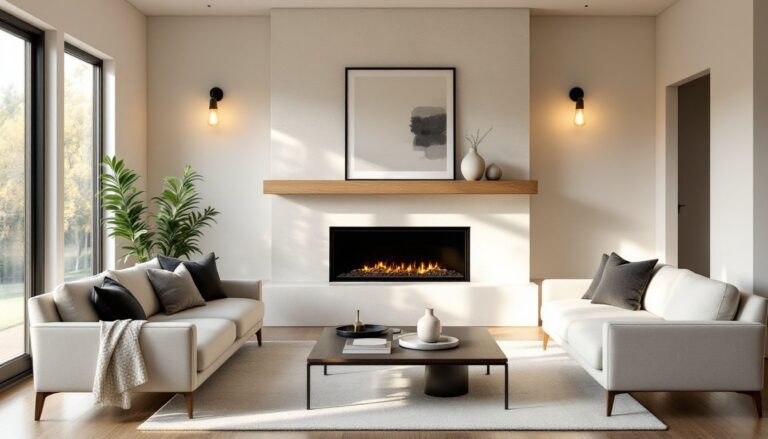
A fireplace wall sets the tone for an entire room. Whether it’s a working hearth or a gas insert, the surround and wall treatment determine whether the feature reads as cozy farmhouse, mid-century modern, or high-end spa. Tile offers durability, heat resistance, and endless design flexibility, but choosing the right material, pattern, and installation method separates a polished focal point from a DIY regret. This guide walks through the most effective fireplace tile ideas for 2026, with attention to material specs, layout considerations, and real-world installation notes.
Table of Contents
ToggleKey Takeaways
- Fireplace wall tile ideas offer unmatched durability, heat resistance, and design flexibility, with options ranging from affordable subway tile at $3–$8 per square foot to premium marble at $25+ per square foot.
- Proper substrate preparation using cement board, correct thinset selection, and adequate wall framing are essential to prevent cracking and ensure long-term performance of fireplace tile installations.
- Subway tile in running bond or herringbone patterns provides timeless appeal, while geometric tiles, natural stone, and large-format porcelain deliver modern or luxe statements depending on your style preference.
- Grout color and width significantly impact the finished look—tight 1/16-inch lines read modern, while 1/4-inch lines emphasize a farmhouse aesthetic, and charcoal or black grout hides soot better than white.
- Combining fireplace tile with wood mantels, metal trim, or shiplap accents adds warmth and breaks up large tile expanses while maintaining required IRC clearance codes for combustible materials.
- Professional installation is recommended for large-format slabs over 30 pounds, book-matched marble patterns, or complex cuts around mantels and fireboxes to avoid costly mistakes.
Why Tile Is the Perfect Choice for Fireplace Walls
Tile checks every box for fireplace applications. Ceramic, porcelain, and natural stone are all noncombustible, meeting IRC clearance requirements when installed with appropriate substrates and spacing. Most tile can handle direct heat exposure up to 500°F, and higher-rated materials push well beyond that.
From a design standpoint, tile offers more variety than paint or drywall and more budget flexibility than full stone veneers. A 12×24-inch porcelain plank runs $3–$8 per square foot, while premium marble mosaics can hit $25+ per square foot. Both install over cement board or fiber cement substrate using modified thinset rated for heat.
Maintenance is minimal. Sealed grout resists soot, and most glazed tiles wipe clean with a damp cloth. Unlike wood mantels or drywall, tile won’t warp, yellow, or require repainting. If a tile cracks, it’s replaceable without tearing down the entire wall.
Classic Subway Tile for Timeless Appeal
3×6-inch subway tile remains a go-to for fireplace surrounds because it’s affordable, widely available, and pairs with nearly any decor style. White or off-white subway tile in a running bond (brick) pattern creates a clean backdrop that won’t compete with furniture or artwork.
For added interest, consider a vertical stack bond or herringbone layout. Herringbone requires more cuts and planning, but the diagonal pattern adds movement without busy color. Use a wet saw or a score-and-snap cutter for straight cuts: a nipper handles small edge adjustments around outlets or mantels.
Grout width changes the look significantly. A tight 1/16-inch grout line reads modern and seamless, while a 1/4-inch line emphasizes the grid and leans farmhouse. Use unsanded grout for joints narrower than 1/8 inch to avoid scratching glazed surfaces.
Subway tile works equally well as a surround-only treatment or extended floor-to-ceiling. For a surround, plan on 20–30 square feet of material for a standard fireplace. Add 10% for cuts and breakage.
Dramatic Floor-to-Ceiling Stone and Natural Tile
A floor-to-ceiling stone wall turns a fireplace into the room’s anchor. Stacked stone veneer, slate, and travertine all deliver texture and depth that flat tile can’t match. Stacked stone panels (typically 6×24 inches) install faster than individual stones and don’t require mortar joints, just a ledger board, thinset, and occasional pinning.
Slate tile offers a more refined look, with natural cleft faces in charcoal, rust, or green tones. It’s denser than ceramic and stands up to heat without issue. Expect to pay $6–$12 per square foot for standard slate and $15+ for honed or gauged (smooth) finishes.
When tiling an entire wall, substrate prep is critical. Install 1/2-inch cement board over studs with corrosion-resistant screws every 8 inches. Tape and thin-coat seams before tiling. For walls taller than 8 feet, many design ideas for textured stone incorporate a horizontal break or mantel to reduce visual weight and provide a natural stopping point.
Weight matters. Natural stone runs 8–12 pounds per square foot. Confirm that wall framing is adequate, especially for full-height installations. If mounting a TV or heavy mantel, locate studs and use lag bolts rated for the combined load.
Modern Geometric and Patterned Tile Designs
Geometric tile, hexagons, arabesque, fish scale, or zellige-style, brings pattern and personality without requiring multicolor palettes. A hexagon mosaic in matte black or charcoal creates a honeycomb effect that’s contemporary but not trendy. Sheets typically come in 12×12-inch mesh-backed panels, which speed installation and ensure consistent spacing.
Large-format geometric tiles (10×10-inch or larger) make bold statements with fewer grout lines. These work well in modern or minimalist spaces where the tile itself is the focal point. Plan layout carefully to avoid narrow slivers at edges, dry-fit the wall and adjust your starting point before mixing thinset.
For homeowners considering intricate patterns, many fireplace tile ideas showcase herringbone and chevron layouts that add visual rhythm without overwhelming the space. Use tile spacers rated for the specific grout joint width, and work in small sections to keep thinset workable.
Color grout is back. Charcoal or black grout against white or light tile creates contrast and hides soot better than white. Mix grout to a peanut butter consistency and float diagonally across tiles to pack joints fully. Wipe excess with a damp sponge at a 45-degree angle to avoid pulling grout from joints.
Luxe Marble and Porcelain Statements
Marble tile and high-end porcelain slabs deliver luxury without the weight and cost of solid stone. Carrara, Calacatta, and Statuario marble offer white backgrounds with gray or gold veining. Marble is softer than porcelain, so it scratches and stains more easily, seal it with a penetrating sealer before grouting and reseal annually.
Porcelain slabs mimic marble, concrete, and even wood with photorealistic printing. Large-format porcelain (24×48 inches or bigger) reduces grout lines and creates a sleek, continuous look. These slabs require a flat substrate and a large-notch trowel (1/2×1/2 inch) to ensure full thinset coverage. Back-buttering each slab is recommended to avoid voids that can crack under thermal stress.
For a statement wall, consider book-matched slabs, where two consecutive slabs are mirrored to create symmetry. This technique works best with natural veining patterns and requires professional fabrication and installation, especially if slabs are larger than 4 feet.
Cost and lead time: Expect $15–$40 per square foot for marble tile and $10–$25 for porcelain that mimics it. Slabs custom-cut to size can take 2–4 weeks. Budget for professional installation if slabs exceed 30 pounds or if the wall includes complex cuts around a mantel or firebox.
Mixing Materials: Combining Tile with Wood and Metal Accents
Tile doesn’t have to do all the work. Pairing it with wood mantels, metal trim, or shiplap accents adds warmth and breaks up large expanses of tile. A reclaimed wood mantel over subway tile softens the look and provides a shelf for décor. Mount it with heavy-duty brackets lagged into studs, and maintain IRC-required clearances, typically 6 inches from the firebox opening for combustible materials.
Metal trim in brass, black steel, or brushed nickel frames tile edges cleanly. Schluter strips (originally designed for tile edge protection) come in multiple finishes and depths, eliminating the need for bullnose tile or exposed raw edges. Install them during tiling by embedding the perforated flange in thinset, then butting tile against the finished edge.
Some designs featured in curated fireplace tile collections layer horizontal shiplap or board-and-batten on the upper wall with tile on the lower surround. This approach lowers material cost and adds texture variation.
Safety reminder: Wood and metal accents near the firebox must meet local code clearances. If in doubt, consult your jurisdiction’s building department or hire a licensed contractor for the framing and fireproofing. A permit may be required if modifying the firebox or chimney structure.
Conclusion
Fireplace tile transforms a functional element into a design anchor. Whether installing classic subway tile, bold geometric mosaics, or luxe marble slabs, attention to substrate prep, layout, and material selection ensures a result that lasts decades. Match tile choice to the room’s style, budget for proper underlayment and tools, and don’t skip the grout sealer. The effort pays off every time someone walks into the room.